


Tankless vs. Tank Water Heaters: What Rhode Island Homeowners Should Know This Fall
Rhode Island’s HVAC Experts for 90+ years!
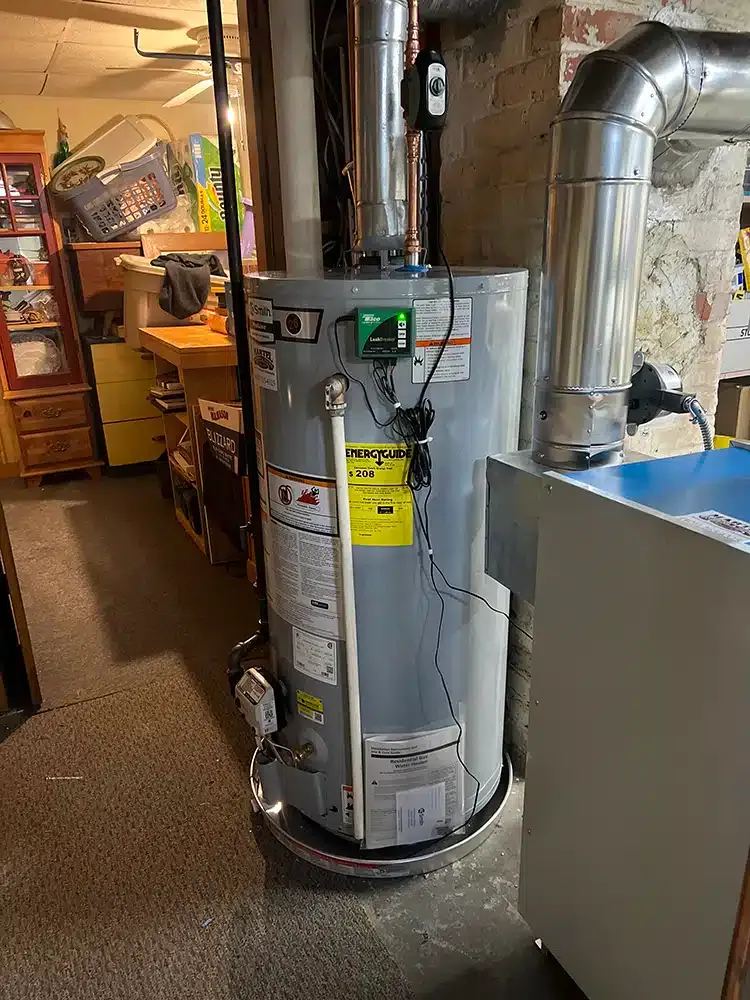
As temperatures drop across Rhode Island, hot water becomes something you notice a lot more, whether it’s a hot shower on a cold morning or the dishwasher running through another holiday season of hosting. Fall is also when we start getting more calls from homeowners whose water heater is aging out and want to understand their options before it fails in the middle of winter.
Martel Plumbing and Heating offers water heater services throughout the Providence area.
One of the most common questions we hear: is it worth switching to a tankless system, or should you stick with a traditional tank?
Here’s an honest breakdown to help you decide.
Contact UsHow Tank Water Heaters Work
A traditional tank water heater stores and continuously heats a set volume of water, typically 40 to 80 gallons, so it’s ready whenever you turn on the tap. It’s the setup most Rhode Island homes have had for decades, and for good reason: it’s reliable, well understood, and generally less expensive to install upfront.
The tradeoff is that a tank heats water constantly, even when nobody’s using it, and once you run through the stored hot water, you’re waiting for it to refill and reheat. For larger households or homes with high simultaneous hot water demand, like multiple showers running during a busy morning, that can mean running cold.
How Tankless Water Heaters Work
A tankless, or on-demand, water heater heats water directly as it flows through the unit rather than storing it. There’s no tank to keep hot around the clock, which means the system only uses energy when hot water is actually being used.
The upside is real: tankless systems provide a continuous supply of hot water without the “running out” problem, they take up significantly less space since there’s no large tank to accommodate, and they typically last longer than tank systems when properly maintained. The tradeoff is a higher upfront installation cost, and in some homes, the existing gas line or electrical setup needs to be upgraded to support the unit.
What About Cost?
This is usually the deciding factor, and it’s worth looking at it two ways: upfront cost and long-term cost.
Tankless systems generally cost more to install than a comparable tank system, partly because of the unit itself and partly because some homes need gas line or electrical upgrades to support it. But tankless systems also tend to use less energy over time since they’re not heating and reheating a stored tank around the clock, which can offset some of that upfront cost through lower monthly bills.
Where this gets more favorable for Rhode Island homeowners specifically: the state currently offers some of the strongest water heater rebates in the country. Rhode Island Energy offers a rebate of up to $1,400 for a combination condensing boiler and on-demand water heater unit, and heat pump water heaters can qualify for up to $600 through Rhode Island Energy plus an additional $2,500 through Clean Heat RI, for a combined $3,100 or more in savings depending on the system. Income-eligible households may qualify for even more through additional HEAR funding.
These rebates change the math considerably, and they’re exactly the kind of detail worth discussing before you decide which system makes sense for your home and budget.
Which One Fits Your Home?
There’s no universal right answer, but a few factors tend to point homeowners in one direction or the other.
Tank systems tend to make sense when your household has moderate hot water needs, you’re looking for the lowest upfront cost, or your home’s existing gas and electrical setup already supports a standard tank without modification.
Tankless systems tend to make sense when you have a larger household with high simultaneous hot water demand, you’re renovating and have flexibility on space and utility upgrades, you’re planning to stay in the home long enough to benefit from the energy savings over time, or you want to take advantage of Rhode Island’s current rebate programs for high-efficiency systems.
Older Rhode Island homes are worth a specific mention here. Many have electrical panels or gas lines that were sized for the appliances of decades past, so a tankless upgrade sometimes requires additional work to support it. That’s not a dealbreaker, but it’s exactly the kind of thing that should be assessed before you commit, not discovered mid-installation.
Why Fall Is a Smart Time to Make the Switch
Waiting for your current water heater to fail completely often means dealing with the decision in an emergency, with cold showers and a limited window to research your options. Making the decision proactively in the fall means you can take your time, compare systems properly, and take advantage of current rebate programs before they change.
It also means your home is set up with reliable hot water heading into the coldest months of the year, when your system works the hardest and failures are the most inconvenient.
Let Martel Plumbing & Heating Help You Decide
Our licensed plumbers will assess your current system, your home’s gas and electrical setup, and your household’s hot water needs, then walk you through the real cost comparison between tank and tankless, including current Rhode Island rebates you may qualify for.
We serve Providence, Lincoln, Cranston, Pawtucket, Warwick, Smithfield, Johnston, and surrounding Rhode Island communities.
Call Martel Plumbing & Heating today for a water heater consultation — or book your service online.
We offer price matching with local competitors, money-saving coupons, and financing options through NEIF to make an upgrade more affordable.
Don’t wait for a cold shower to make the decision for you. Call Martel Plumbing & Heating and get it right this fall.
Proudly Serving Providence, Lincoln, & Surrounding Areas
We love our state and are proud to have served Rhode Island and the surrounding areas for over 98 years! See our full service area here.


